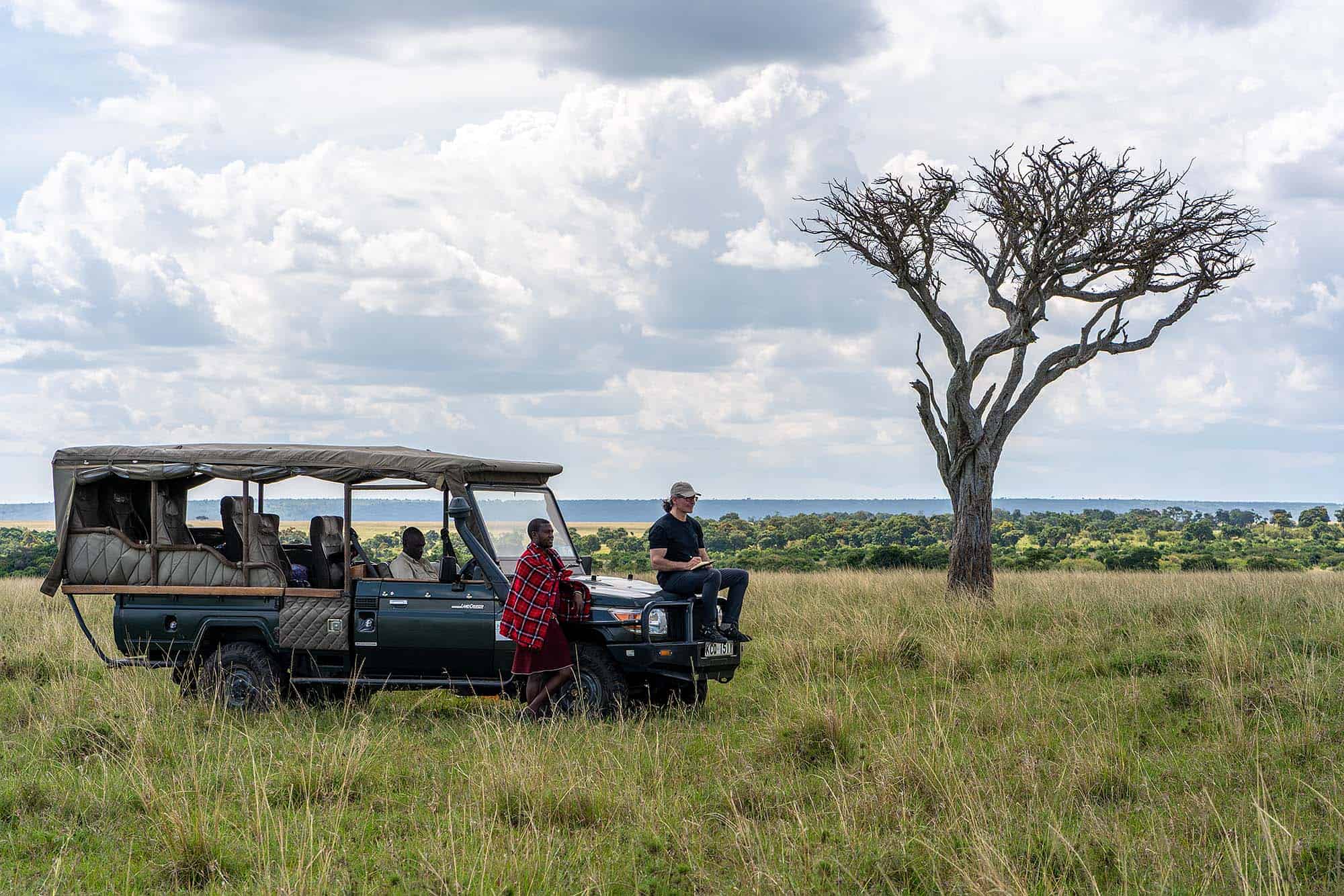
I was young and full of hustle, looking for ways to get back to faraway places and get paid to take photos and video in the field. Doing my best not to insult anyone, often failing, I hinted that their photography and marketing videos could be improved and that I was, in fact, the man for the job. Most brushed me aside like the annoying mosquitoes they are used to, but a few gave me a chance, and I was able to secure passage to a handful of remote, wild locations. Fast forward five years, nearly 40 countries and several additions of passport pages, and I had built a pretty sizable archive of experience and portfolio samples. More importantly, I had also built something intrinsically valuable: a fresh perspective on the merits and necessity of sustainable hunting as a form of conservation in the modern age.
I became fascinated with the culture, food, art and traditions of remote places and wanted to talk to anyone in the room about them. “Let’s make a photo book, or a documentary, or invite non-hunters to learn about this.” I had plenty of ideas for improving storytelling or for finding ways to interest people outside the convention. The problem was that not many people in those rooms shared the same enthusiasm that I was shoveling out like flyers on the street corner for a band's first show. My ability to successfully pitch these project ideas was still developing, as was my ability to read the room. I found very few takers and became disenfranchised. But, as my Texan Grandfather would say, “the squeaky wheel gets the grease,” so I started talking to artists instead.
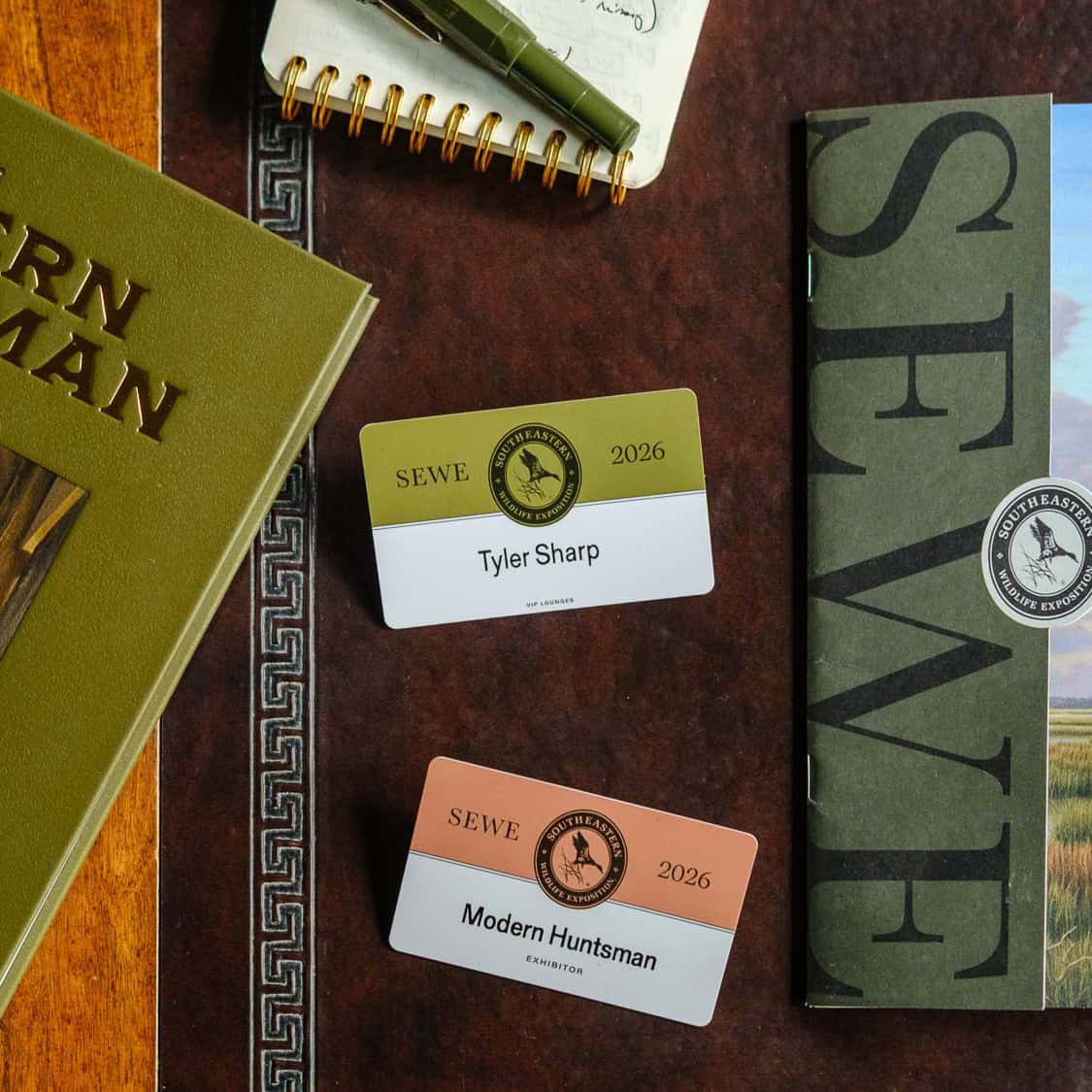
One in particular, John Banovich, a well-established and highly collected wildlife painter, seemed to be on the same wavelength. John has since become a friend and mentor of sorts, and you may recognize his name and work from Volume 8 of Modern Huntsman — he was a guest editor for our Africa issue, and his rhino painting was on the cover. In one of our many inspired and philosophical conversations about the need for more art in the hunting world, John suggested I attend the Southeastern Wildlife Exposition (SEWE, for short) with him. Despite his insistence on it being a refreshing alternative, I politely declined for years, with an already full dance card of trade shows. That was, until last year.
After several other invitations, I finally arrived in Charleston, South Carolina, in February 2025, for four days of social gatherings, events and meetings that would ultimately restore my faith in the sporting community and wither my jaded perspective. SEWE is more like South by Southwest than a tradeshow, in the sense that it is city-wide; there are events, dinners, concerts, makers and art galleries around every corner. The city of Charleston, already a bustling social scene, comes alive with folks from all over the world who are passionate about wildlife, conservation, art, great food and a life well lived outdoors. I was very impressed.
Charleston has effortless charm and a sophisticated drinking culture, so, naturally, one afternoon I was under the sun with a mint julep in hand. I ran into Mary Roberts, the Communications Director for SEWE. We had crossed paths years earlier, and she had since, kindly, kept up with the comings and goings of Modern Huntsman. Our conversation quickly turned to collaboration, and before I could finish my drink — which is usually too fast if I have no place to set it down — we had planted the seeds for a collaborative program in 2026.
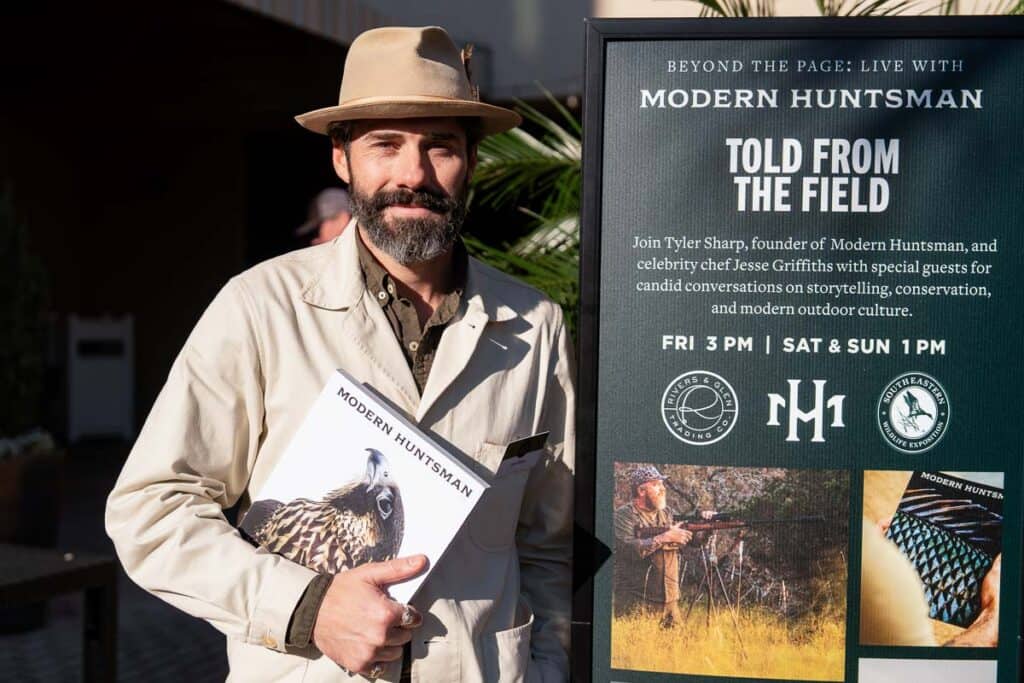
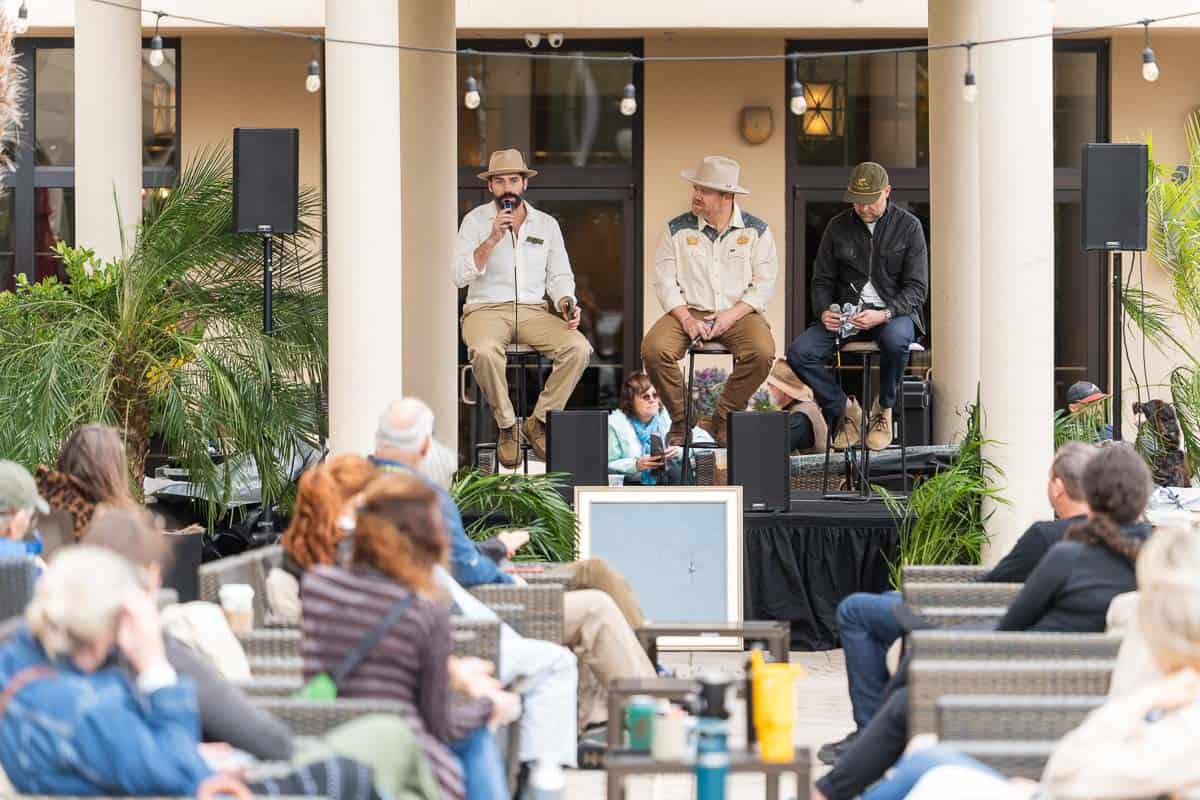
We approach our partnerships with a long-term lens and really want to understand the landscape of expectations, goals and the metrics for what success looks like. In this case, the assignment was simple: Mary and her team were looking to build on the existing programming in ways that would encourage engagement, thoughtful conversation and diversity among participants. Drawing on my experience hosting panel discussions, we decided an outdoor conversation series was the way to go. I’ve hosted a variety of these talks, but they have always been somewhat formal and singularly focused, so I wanted this to be more relaxed.
Given that it was outdoors on a weekend when people were trying to have a good time, it also needed to be fun. Charleston is a food-centric city, so it felt like a no-brainer to have Jesse Griffiths as my co-host, our MH Wild Food Editor, who is both a James Beard and Green-Michelin Star-awarded chef. Despite his accolades, Jesse is one of the most humble people I know. "You're embarrassing me," he told me after I mentioned a few of his accomplishments to a new acquaintance, to which I replied, "All I did was state the facts of what you've won." While I understand there can be a fine line between touting and stating, credit is due where it should be, and most people are excited to learn they have met a James Beard Award winner. And let's be honest, it helps us both sell books.


To help bring this to life, we had the support of Rivers and Glen as a presenting partner— a world-class outfitter and retail shop in Charleston owned by my friend Francisco Bergaz. It’s a beautiful venue filled with quality gear, fine guns, flyfishing accoutrements and an incredible art collection. Francisco is a Spaniard who grew up in France and has amassed a wealth of conservation knowledge through his involvement with the Congressional Sportsmen's Foundation and the Ruffed Grouse Society, among others.
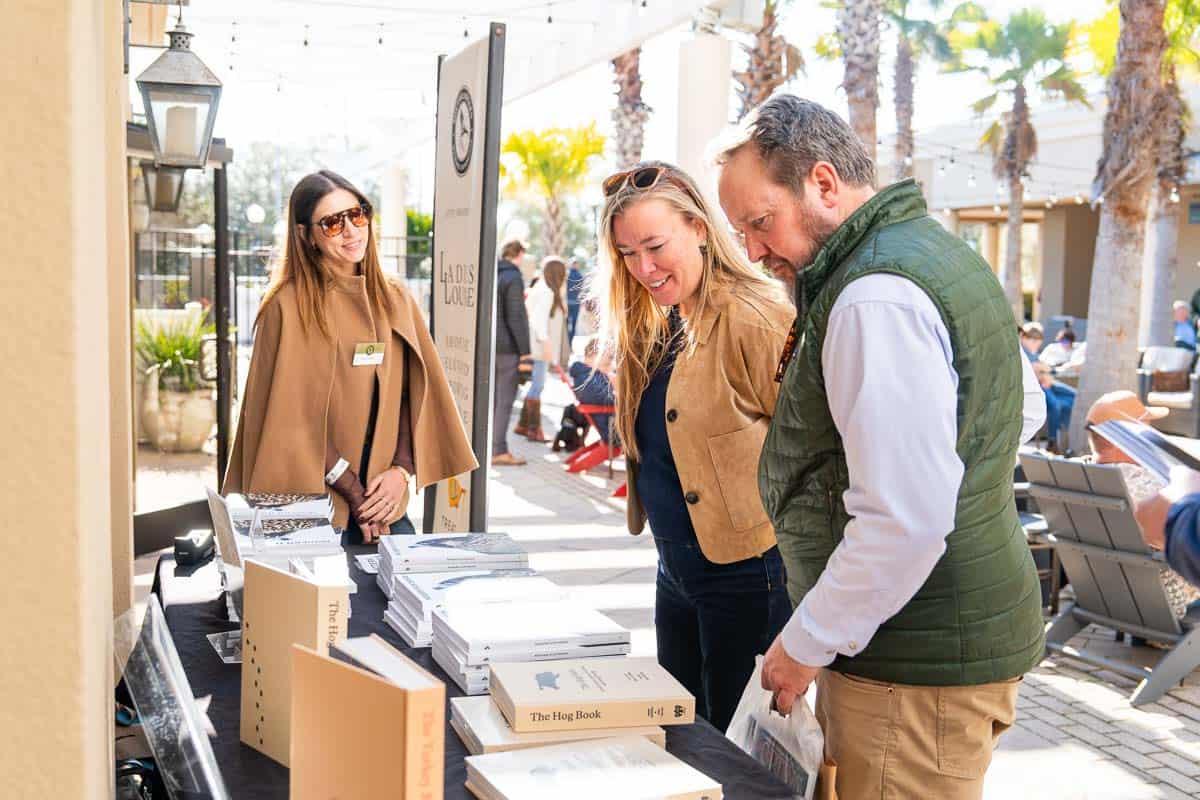
Señor Bergaz joined Jesse and me on the first panel talk on Friday and we dove into a wide range of topics: hunting culture as a universal language, the function of art from the field, the need to communicate hunting's role in conservation, adventure stories, and, of course, great meals from wild ingredients. As it turns out, Francisco had attended one of Jesse's wild hog hunting and butchery courses, and that shared passion for pigs and resulting recipes was a great way to end the conversation on a high note right before lunch time. As always, I'm surprised by the quality of people who come up to chat after these events to share how long they’ve been subscribers to the magazine, or what they took away from the knowledge shared. That first day was no exception, and we nearly sold out of cookbooks in 30 minutes.
Day Two
On day two of the series, Jesse and I were accompanied by our Conservation Advisor, Simon Roosevelt, who has a long family history in conservation. His bio is too long to list here, but his active involvement in a wide range of conservation groups, including serving as a fellow board member with Francisco for CSF, has defined a nearly unmatched knowledge of government policy as it relates to hunting, fishing and public land protections in the United States. Simon is also a notably humble gentleman, and while I am aware that he does not like to be defined by his family history, it is nevertheless important for outsiders and attendees to know that he comes from the same line of thought and conviction as our former president, Theodore. And folks did show up, as Simon's voice is an important one in the conservation space. We even had a few young influencers attend that wanted to meet him, including the "Conservation Kid," who is doing amazing work in his community with cleanup, policy awareness and activism.
The conversation was more serious as we focused on current policies related to public land. But we made sure to shift back and forth between inspiration and information, while focusing on actionable next steps. There was considerably more crowd participation, with attendees clearly passionate about asking how we can best address what seems to be an ever-widening political and cultural divide. Simon and Jesse threaded the needle with a mix of pragmatism and humor, leaving the crowd with a helpful dose of advice on "what they can do to help." And while you can plan for questions and topics, you can never plan for how the audience will react to the message— and it was an inspiring result for all of us. Folks came over in droves after the talk to hear more about our individual pursuits, the road ahead, and to share their takeaways from the discussion. Inevitably, some also wanted to take photos with Mr. Roosevelt.
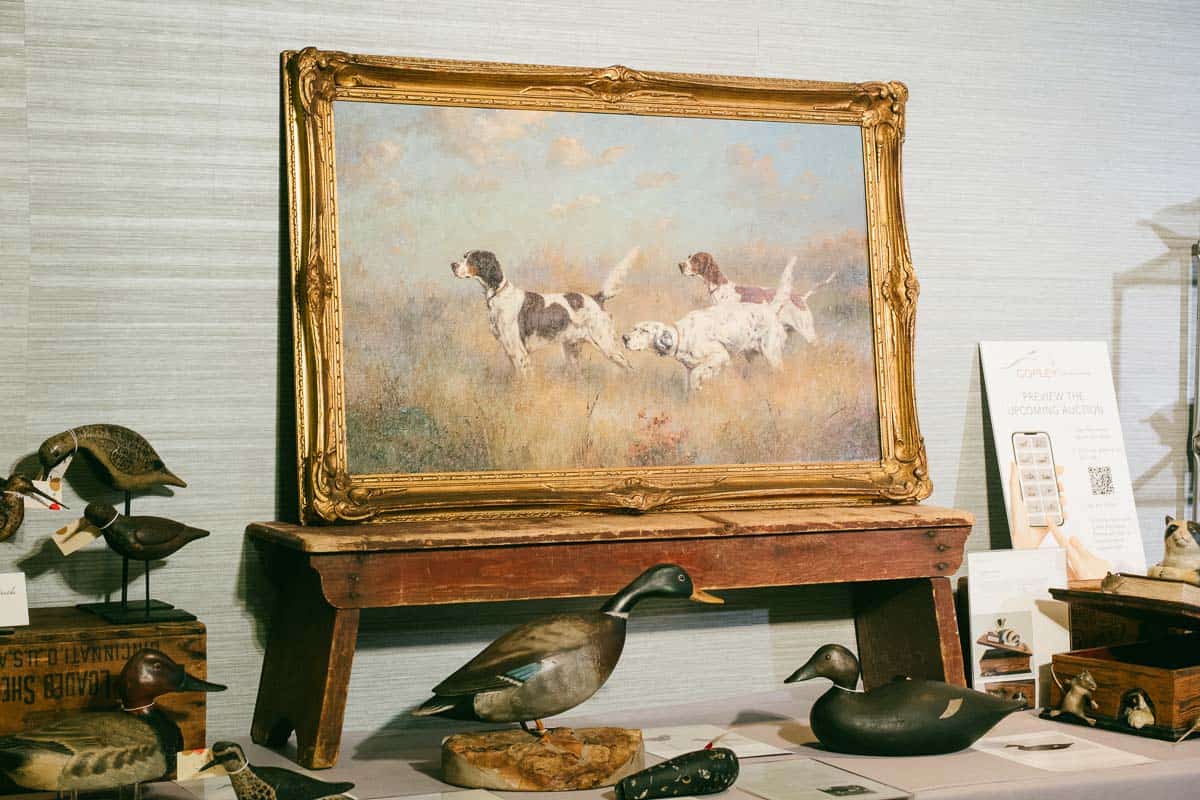
Despite my public-speaking experience, it's such a relief when we put the mics down and step off the stage—learning that we inspired someone, that they've been subscribers since day one or that they came specifically to grow from our group of speakers. It was a fitting way to start the afternoon before we saddled up to see more of the official SEWE events and gallery shows. Conveniently, our talk was in the same space as legendary duck decoy carver Mark McNair, whose work was on the cover of Volume 11. SEWE is a mecca of decoy collectors, and his carving demos drew crowds in droves, which we did not complain about.


Day Three
The third and final day, by design, was the most laid-back. Jesse returned to Austin for his restaurant duties, so I was joined by our Creative Advisor, Marshall McKinney. A Charleston native, Marshall was the founding creative director of Garden & Gun magazine (which I used to contribute to) and is infinitely connected with creatives in the outdoor space. At his suggestion, we had renowned artist Paul Puckett join us, who is also a local.
Of the three days at SEWE, Sunday is the most relaxed, which created the perfect atmosphere to talk about Paul's art, fly-fishing adventures, and the challenge of capturing an impactful outdoor experience in any medium. Paul was gracious enough to provide us with a print of one of his highly sought-after paintings, which we will be giving away to a lucky subscriber soon. If you're not already signed up, consider it if you like fly fishing art. It was great to see how many folks came out to see Marshall and Paul by name or reputation, and to me, it seems a great way to sum up the SEWE experience; I had the opportunity to meet a wide range of people who share the same passions we discussed on stage.


Among the results of our panel series, some of the best moments were when we got to spend quality time with more of the small-but-mighty SEWE team. That tight-knit crew of miracle workers somehow pulls off a city-wide event every year with increasing class, and we're honored to be part of it. On the last night, they threw a big party with live music, whole-hog barbeque, an open bar and more oyster shucking than I've ever seen in my life. It was a fitting way to end an action-packed three days of conversations, connections and collaborations.
We've already begun planning for an expanded series in 2027, which may or may not include a ticketed dinner with Jesse Griffiths and some local flyfishing forays. We'll be sharing more about this in Volume 17, as well as an expansion on SEWE's history and mission as an organization and one of our conservation partners. We'll also be giving away some all-access passes to some of the Modern Huntsman faithful to join us for next year's festivities. More to come on that in our next issue, which the editorial team is already hard at work on. If you’re not already a subscriber, please consider signing up and supporting us as independent publishers.
Again, a major thank you to Mary Roberts of SEWE and Francisco Bergaz of Rivers and Glen. We could not have done this without your support and enthusiasm.