You’ve clicked on premium content
We do not say “In The Field” lightly. To learn in the thick of experience is a skill that actively humbles as much as it inspires, it’s adrenaline rushes and quick thinking, it’s culling focus while being submerged in our senses, it’s the putting ourselves in wild places or the new and uncomfortable that fosters our fervor and curiosity of craft. We’ve found that books and theories and expert work are best conversed about along rivers and mountainsides or with opposing views over foraged food. And after many years of sharing stories, we’ve learned that honing narratives that will be heard and cultivating impact from shared work requires intrepid participation.
We are honored to be growing our education series. From butchering in the Colorado back country with Jesse Griffiths in years past at Trinchera, to expanding visual and narrative storytelling with Andy Anderson and Chris Dombrowski in the Montana rivers this summer at Fish Camp — our “In The Field” work is dedicated to helping you delve into a weekend with experts that is as educational as it is experiential.
Still trying to decide if you should sign up for our end-of-July experience Fish Camp? We sat down with on of our upcoming Fish Camp’s educators to explore their expertise and the perspectives shaping this upcoming experience:
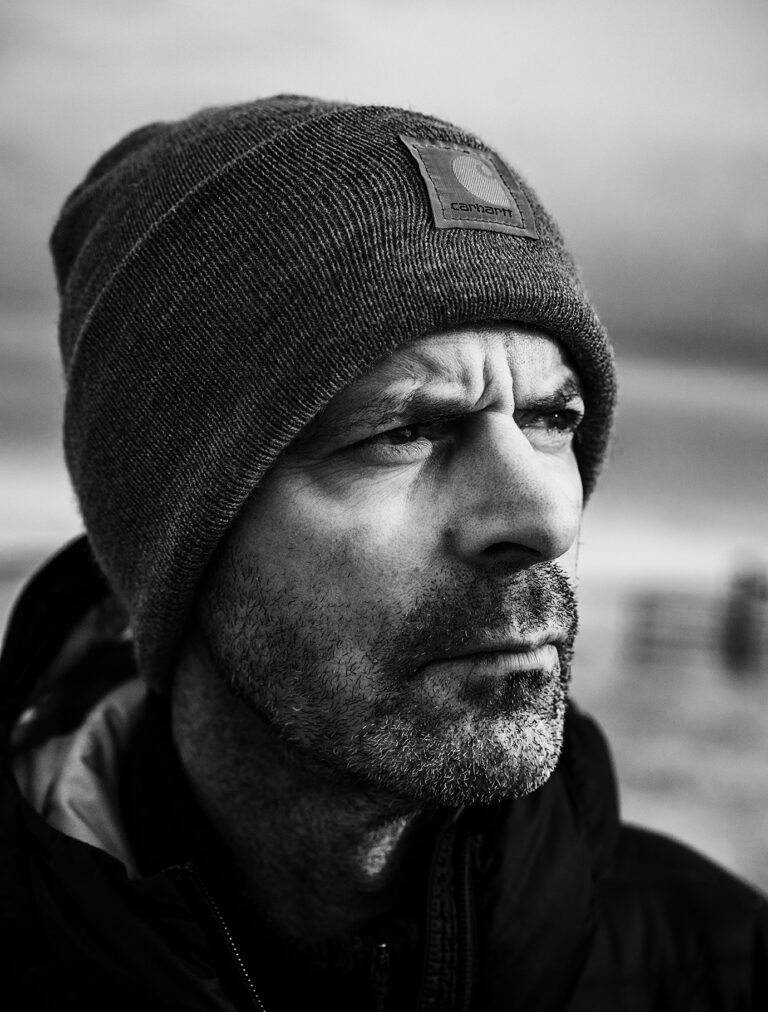
Chris Dombrowski
Award-winning novelist, nationally-acclaimed river guide and Creative Writing Director at University of Montana
"A fusion of 25-plus years teaching school years in the classroom and guiding summers on the river has defined my educational style, or pedagogical approach. While the world speaks to us, I hope to teach writers how to both listen and speak back. I believe that education “in the field” is vital in the development of stories that aim to impact.
Learning how to enact experience through words is the biggest goal for Fish Camp. With the copious amount of generated content online, we aim to help our audiences cultivate a life that AI could never imagine, and then evoke those experiences in original words. It’s so important to be physically in places we’re looking to learn from or get out of our comfort zones to experience something new that will help teach us to participate with challenges. That's what good writing does. AI can't possibly sniff it."
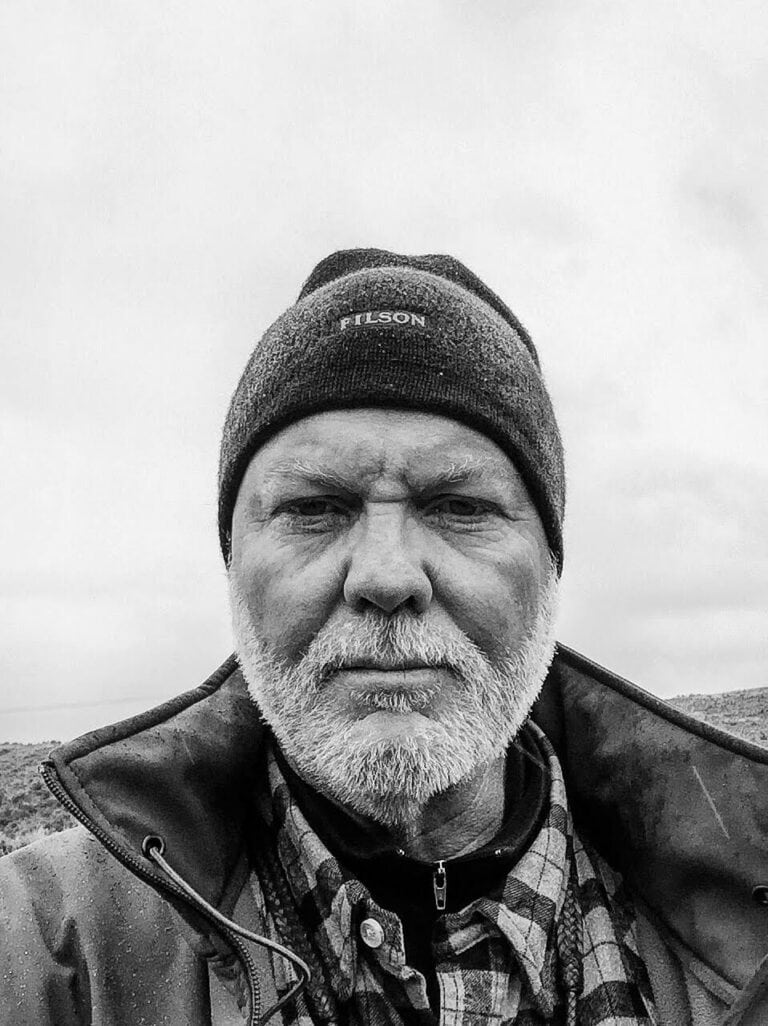
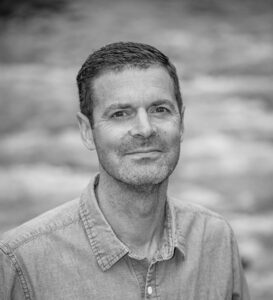
Andy Anderson
Career editorial and commercial photographer, with leading work created for Ralph Lauren, Esquire, and ‘We The People’
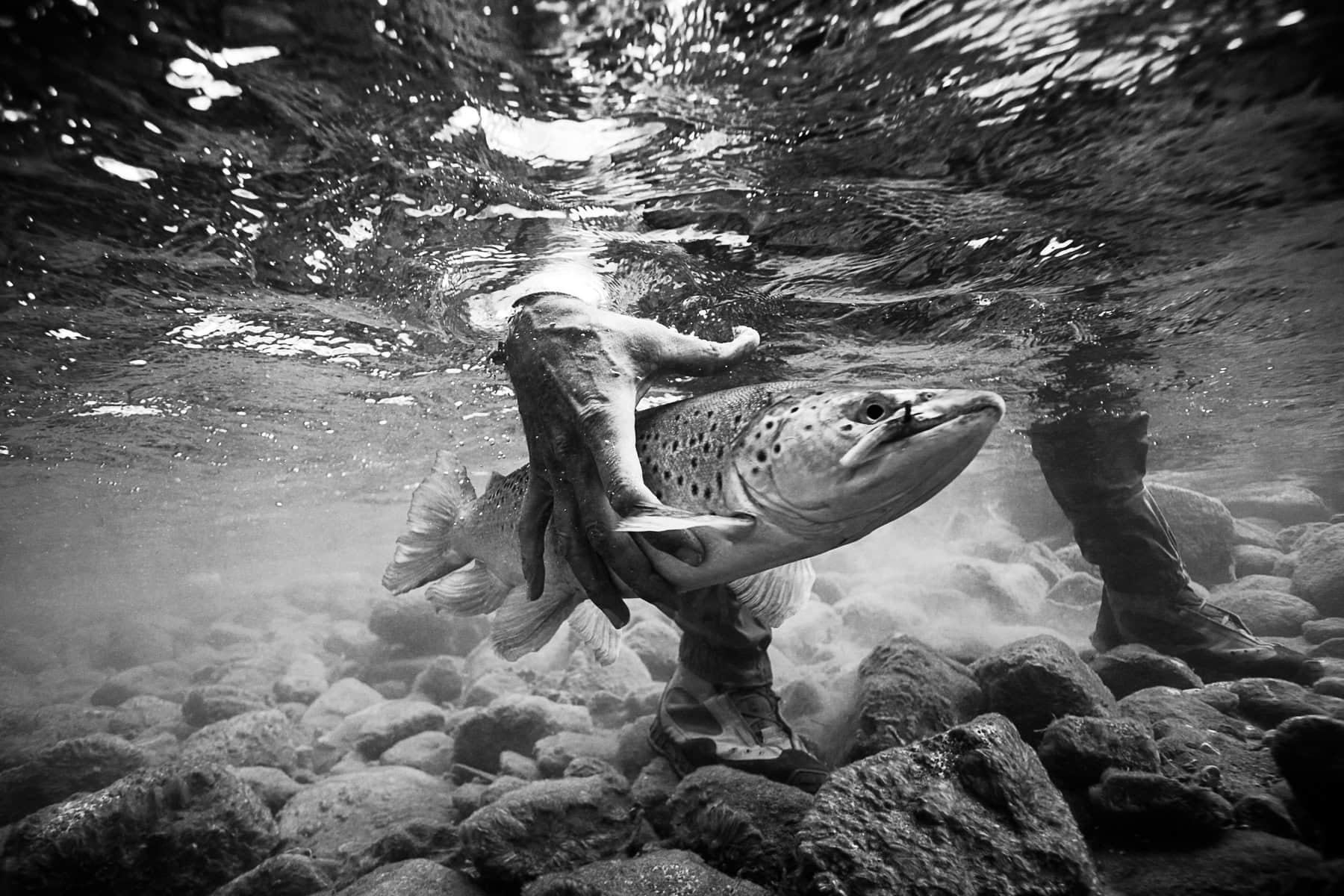
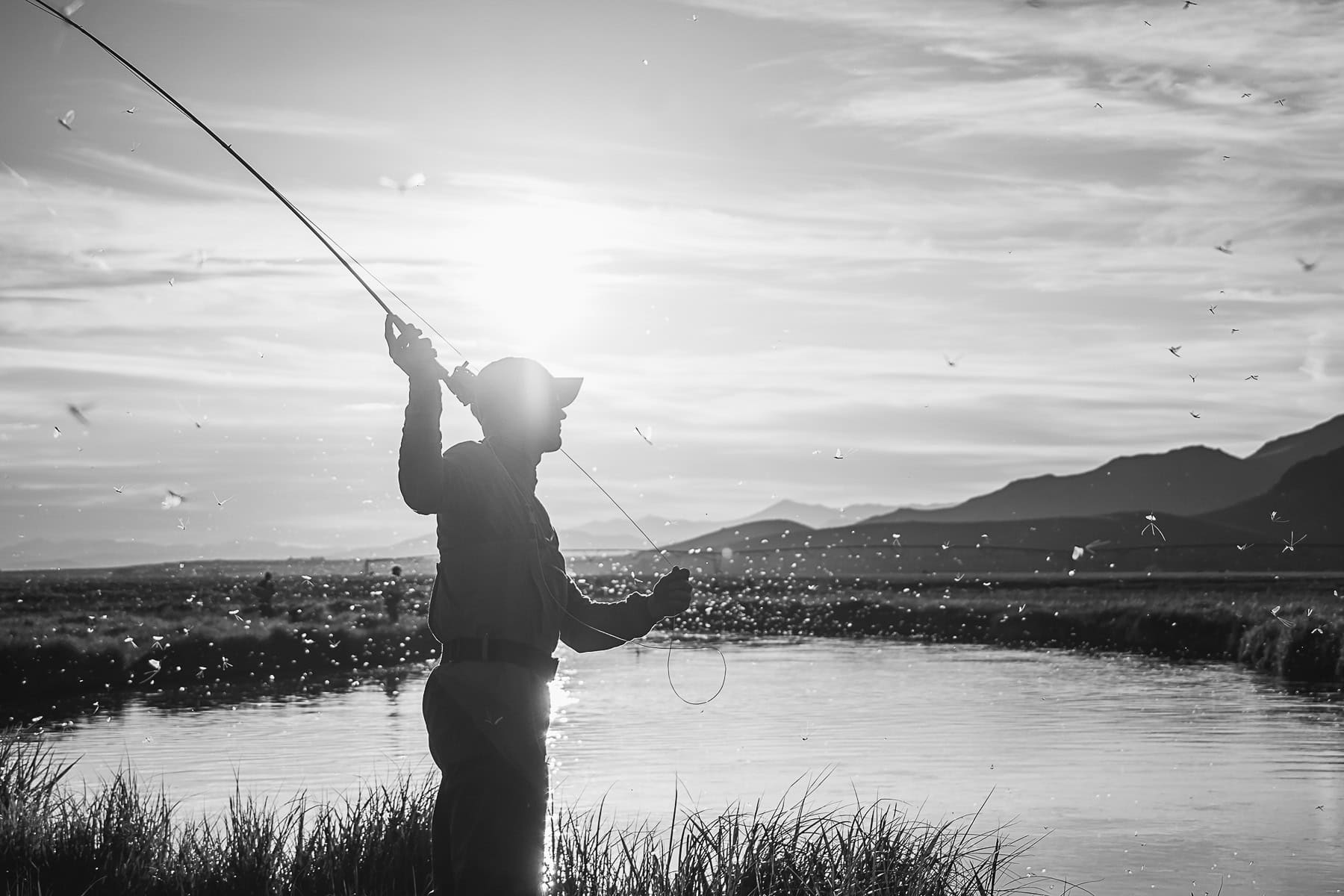
The majority of my life as a photographer has been spent outdoors, not only as an observer and storyteller, but as an active participant in the landscapes and experiences I photograph. The camera has always been more than a tool—it’s been a way of understanding the world around me and my place within it.
My early years as an image maker were filled with mistakes, missed opportunities, and lessons learned through experience. Looking back, those missteps were just as important as the successes. They taught me patience, persistence, and the value of finding my own path as a storyteller.
Long before I was photographing large campaigns or working with major corporations, I was a fishing and outdoor photographer. Those early experiences became the foundation for everything that followed. They taught me how to observe, how to connect, and how to tell authentic stories. More importantly, they shaped the person I am today. The outdoors did not simply influence my career; it defined my values, my perspective, and my purpose as both a photographer and a storyteller. It has made me an active participant in the stewardship and protection of the wild places that have given so much to me. Spending countless days in remote landscapes has created a connection that goes far beyond simply documenting nature. It has instilled in me a responsibility to help preserve these lands for future generations. Over time, I’ve learned that experience is my greatest teacher. The people I meet, the places I travel, the books I read, and the moments of both joy and hardship all leave their mark on me. Every experience influences how I see the world and how I choose to interpret it through my photography.
Technical skill can be learned, and equipment will continue to evolve, but your perspective is yours alone. Your voice, your experiences, and your vision are what transform a photograph into something meaningful.That is what makes it art. My goal is to encourage participants to move beyond traditional ideas of what outdoor photography should be. When we begin to understand what draws our attention and why, we often learn something meaningful about ourselves. Rather than chasing familiar compositions or predetermined notions of success, I want folks to embrace curiosity, trust their instincts, and follow what genuinely inspires them. The most compelling photographs are often the ones that reveal something personal about the person behind the camera.
Through this process, photography becomes a journey of self-discovery. By exploring the landscape through their own eyes, participants gain a deeper understanding of their creative voice, their values, and their perspective on the world. My hope is that they leave with more than memorable photographs—I hope they leave with a greater understanding of themselves and a renewed appreciation for the unique way they see the world.
For photographers, the strongest work often does both. It begins with a compelling story that creates an emotional connection and then leaves the viewer with a reason to care, reflect, or act.