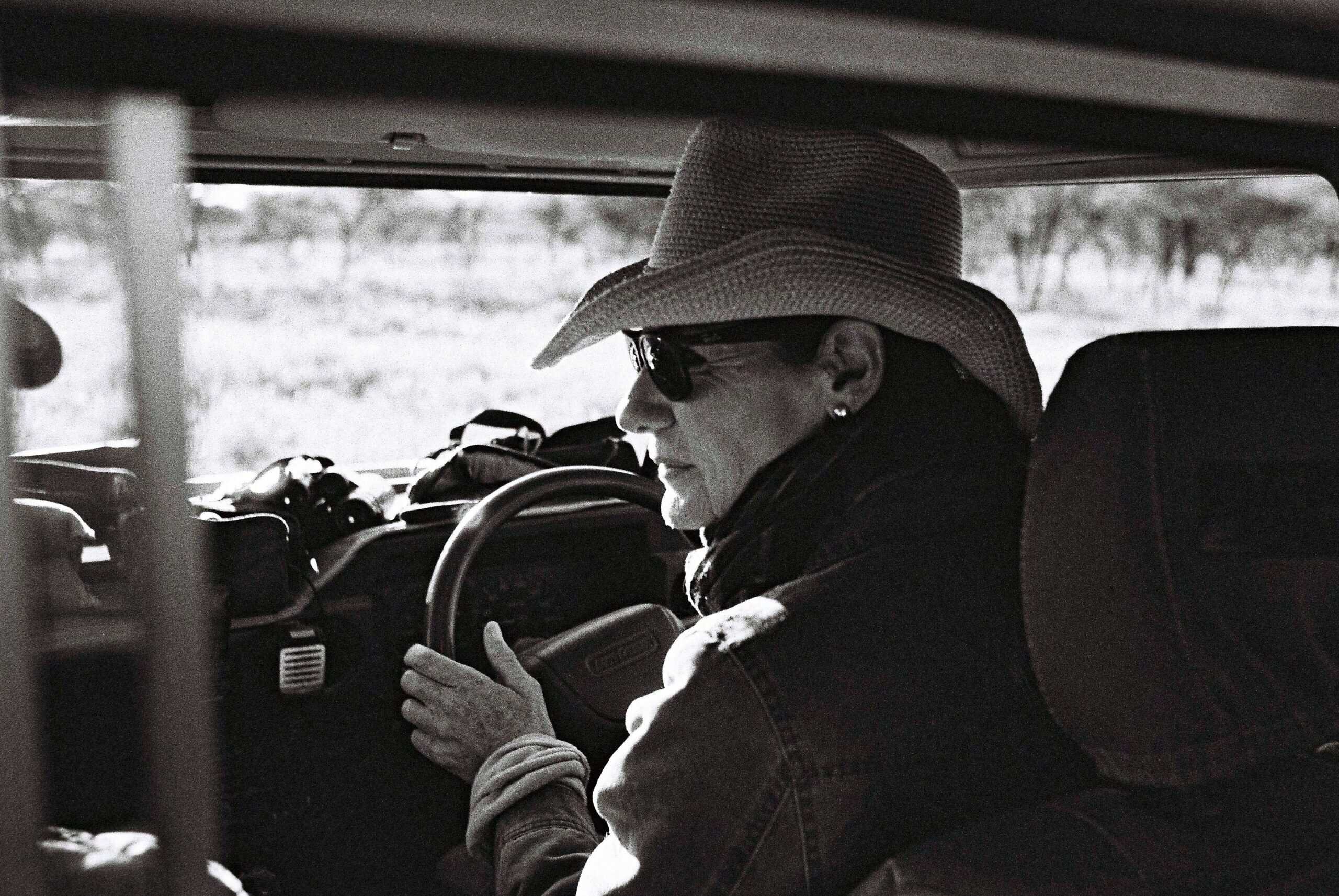
Trundling up the hill behind my house, my 1970s Land Rover offered scant comfort. The dangling wires below the steering wheel hinted at the work in progress. My indicators weren’t functioning, and I was careful to arrive at any destination before the sun went down, owing to the solitary headlight — about as much use as a flickering candle. But for all the squeaks, bounces and leaking oils, the comforting burble of the old engine made my Series III a happy place. Every excursion was truly a journey, never knowing with absolute certainty if I would return home in a timely manner, but that’s kind of the point. It would be a mistake to be in a hurry, and this more casual, slower pace of travel is ideal for reflection. No radio, no music, just the cyclical thrust of each piston tracing the vehicle along the country roads.
It was the start of winter, and the last leaves were clinging to naked trees. After spending a large chunk of the summer abroad filming, I was behind with my wood stores, and I had put a day aside to rectify this. The seemingly mundane back-and-forth from the forest to my house offered the enlightened moment I had been seeking for the past few months.
Six months earlier, I had been filming in Namibia on a project that would eventually take three years to complete. The initial premise for the documentary was simple: to follow the relocation of elephants from the drought-stricken country to a new reserve in the Democratic Republic of Congo. Although I had no way of funding it, the opportunity was one I couldn’t pass up. With only two months’ notice, I...