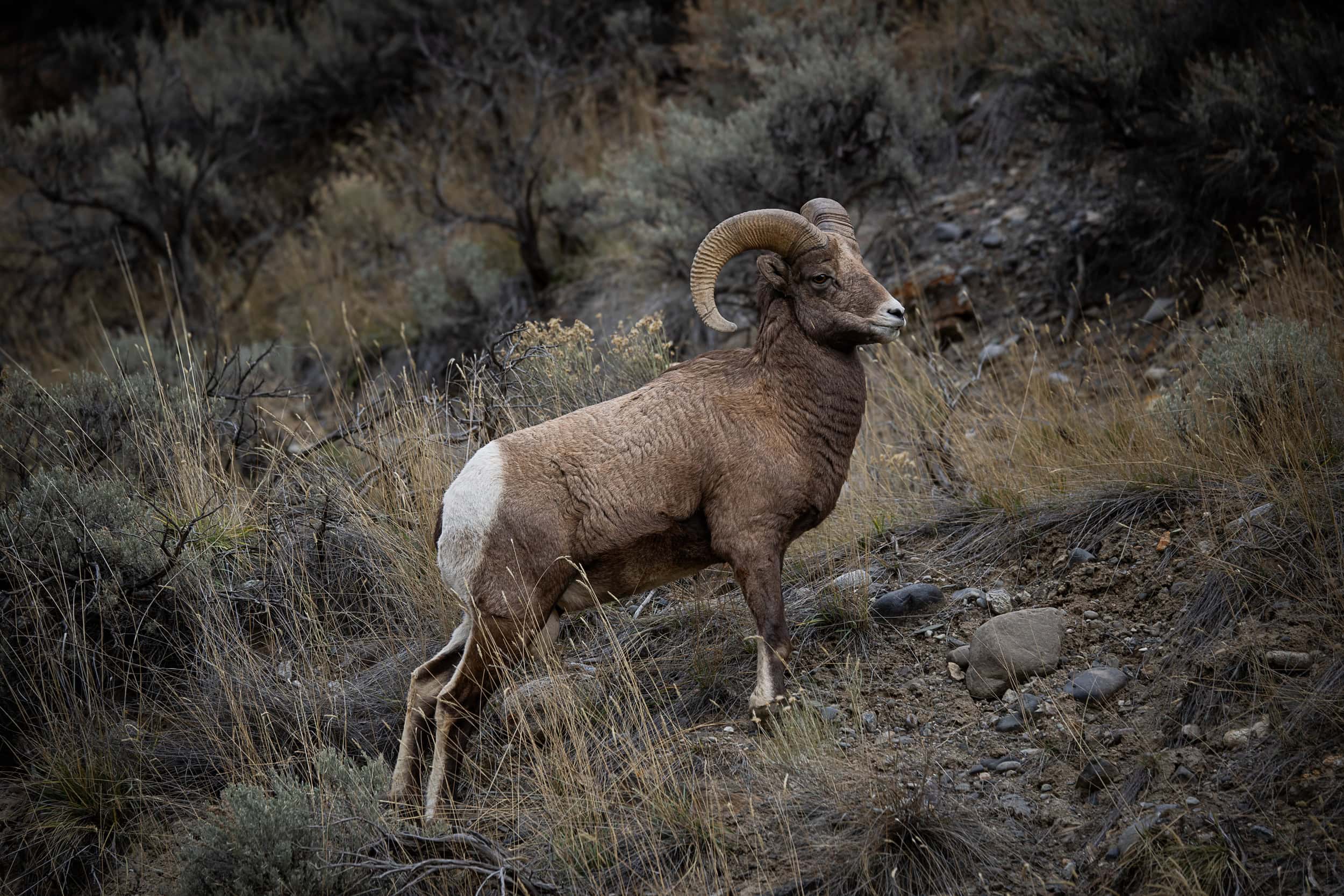
I regularly drive through the valley in low-light hours to hunt, ski, hike and run. I’ve never hit an animal there. But in the pre-dawn hours of hunting season, I’ve seen big bucks dive-bomb off the shoulder of the road and bull elk migrating out of Yellowstone prance across the pavement. As the sun sets after a lengthy ski, I’ve watched eyeshine dance in my peripheral vision and bison skid across the frozen street like first-time ice skaters. Drivers have hit at least 1,700 large mammals on this 57-mile stretch over the last decade.
A grassroots effort there to help ungulates cross the road and make the area safer for both people and animals — an initiative, in essence, to reconnect the landscape — is gaining steam. It reflects a growing national appetite to rethink the function of highways and roads within the ecosystems they’ve shaped.
Daniel Anderson grew up on a ranch along a steep gravel road that meanders into the Gallatins from Paradise Valley. As a kid, he was a tinkerer. He loved to take apart and reassemble the things in his house. He started small — say, a toast-er. But the more he tinkered, the bigger he thought. Once, he got up the nerve to ask his folks if he could take apart the family television (they reluctantly said yes). As he disassembled things, he became fascinated by...