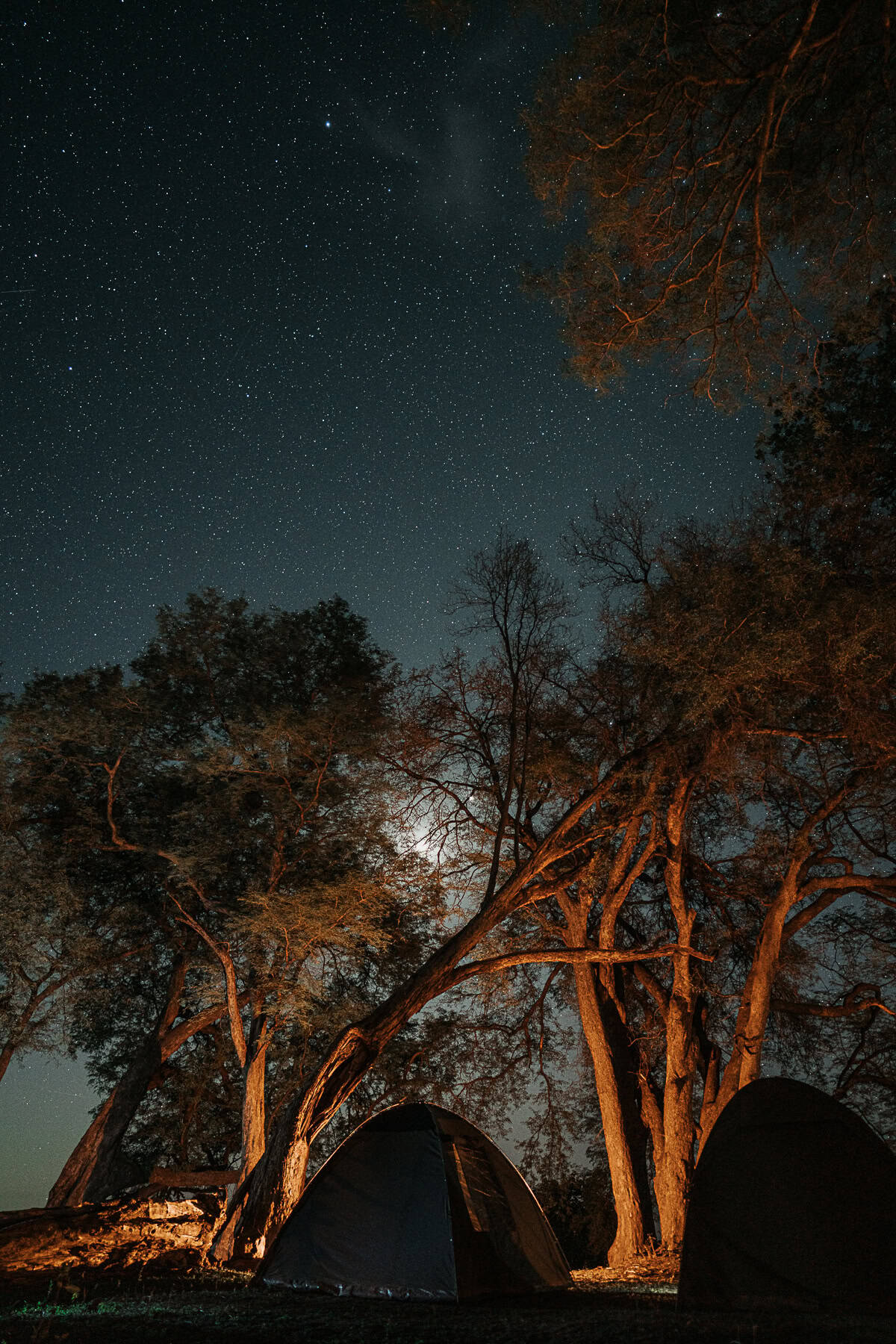
There are certain people who yearn for an inky-black void exploding with endless stars, whose love for the night sky is as warm as the glow of kerosene lanterns and as big as the bellows of the hippos coming out of the Zambezi River in search of grazing for the night. The clicks and chirps of insects grow in the underbrush around us as we tuck in closer to the fire. The flames hiss at us to keep our distance.
The distant guttural roar of a male lion is drowned out by the silence. The Middle Zambezi Valley of Zimbabwe is teeming with life at every moment of the day, with the night a reminder of how we are witness to something bigger — a dark sky wilderness that’s calling to those who will listen. Leaning back under the Natal Mahogany and Tamarind trees and with the stars bright between branches, I’m sitting next to Steve Cunliffe as he tells me how he fell in love with the night here. How he first experienced the Zambezi River, in a canoe, 35 years ago — dark, hopeful, yearning — and just over a decade after his first encounter, has designed a life to amplify its voice for the past 22 years.
We record Steve’s first interview in a taxi as we head toward the airport to fly to Harare, where another nine hour-drive to the Zambezi River awaits us when we land. In the lounge, he’s approached by a man who heard of his newest endeavor, and an impromptu business meeting is struck up while I savor a coffee, unsure if I’ll have another over the next couple of days. From commercial plane to bush plane to safari car, then boat, Steve is either writing reports, sending emails or finding himself sitting next to someone he’s been meaning to meet with. I’ve never seen somebody work so passionately toward a goal with an undeniable belief that nature is worth saving — no matter what.
With 10 years of working as a photographer for impact-driven leaders and organizations in some of the most untouched parts of the world, I’ve become accustomed to bouncing down roads with a camera attached to my hip, like the time I was 18 weeks pregnant on a bush plane over the Ngorongoro Crater, the same trip where I first met Steve, five years before I ended up next to him on the edge of the Zambezi under the stars.
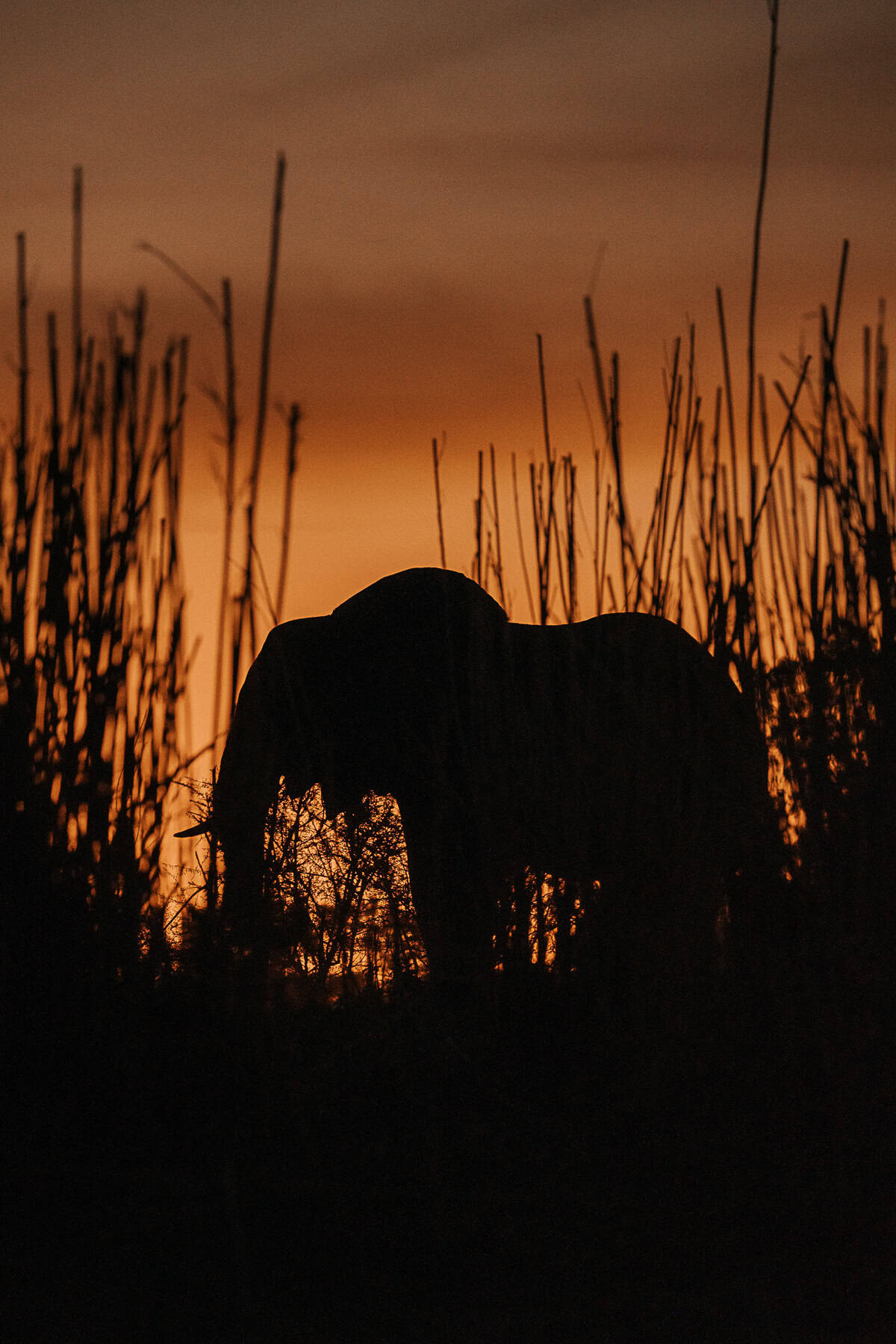

Steve Cunliffe’s adventure began with a dark sky wilderness like our first together, one that creates a deep yearning to learn from nature. Despite him having studied finance and environmental economics, Africa drew him into the world of wildlife management and conservation. During a 25-year career there — including serving as the executive director of the Grumeti Fund, working to protect the critical buffer zones to the western corridor of the Serengeti National Park — Steve began to explore a new approach to protect the wilderness: one that benefits and secures the critically important natural landscapes that surround, buffer and connect national parks. Leveraging his experience with protecting the iconic Grumeti and Ikorongo Game Reserves, he set out to develop a sustainable model and scalable approach that could amplify the positive impact of well-managed wilderness areas for both wildlife and local communities alike.
“It seemed almost unfathomable to me that the world’s most valuable assets, natural assets, were being largely conserved by short-term donations and philanthropy. While I don’t dispute that donor funding has an important role to play, especially the catalytic power of grant capital, there had to be a better long-term solution,” Steve says. On the banks of the mighty Zambezi, he talks about the genesis of the Natural Capital group, which has brought together a dynamic team of conservationists, lawyers, scientists and nature finance experts with the goal of securing these invaluable wilderness areas in perpetuity.
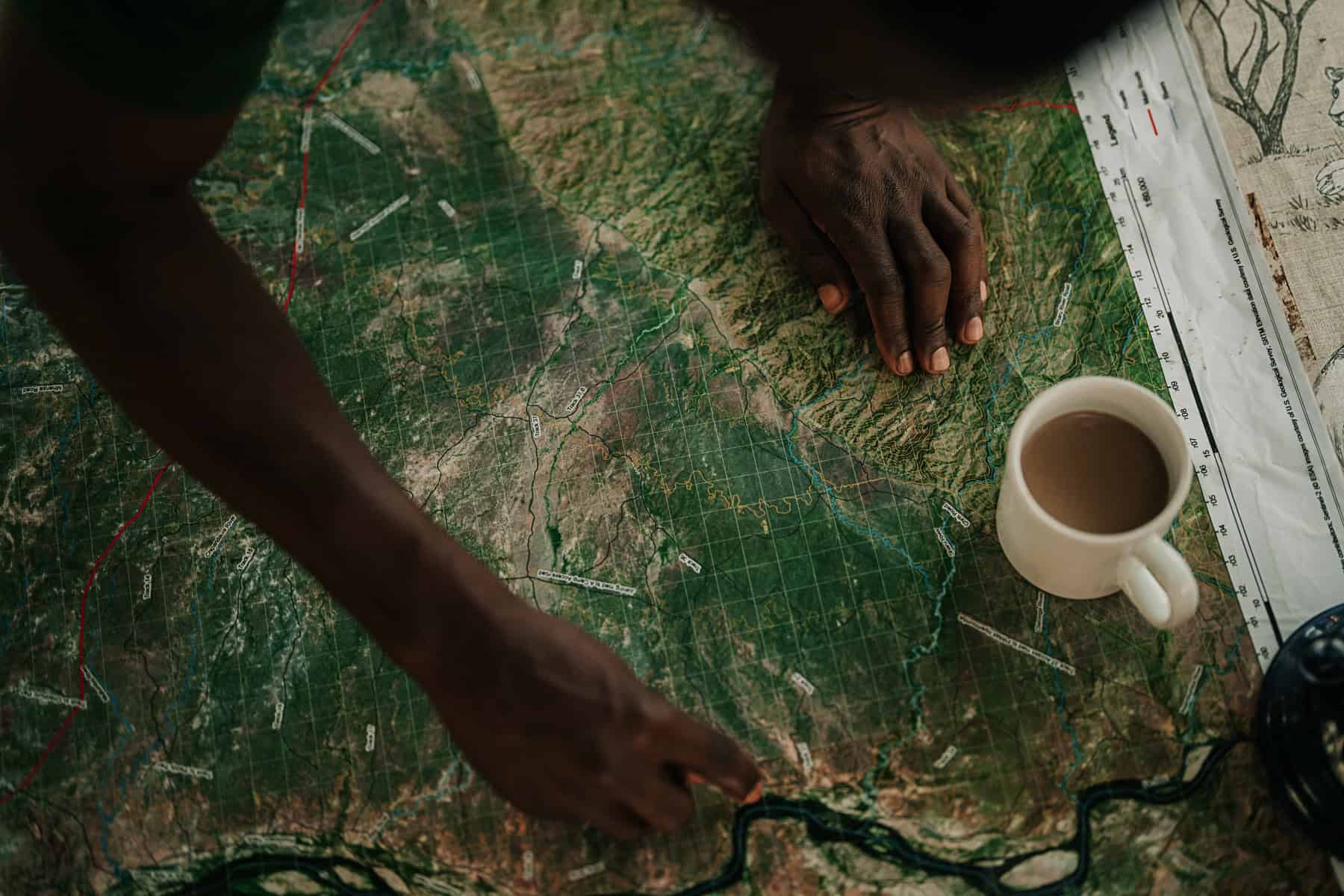


Sitting in the shade of some of the tallest red mahoganies, with the beads of sweat now happily accustomed to my brow, I listen to Steve and his colleagues talk about the community upliftment projects they’ve seen come to fruition, like one of Zimbabwe’s largest conservation efforts: the Middle Zambezi Conservation Project.
The MZCP is anchored on the Zambezi River’s adjacent Rifa and Makuti 2 concessions. (Concessions are privately managed areas of land that are owned by the government, often within or adjacent to a national park or reserve, where safari operators have been granted exclusive rights to conduct tourism activities.) Together, the two regions comprise 126,000 hectares, spanning from the prolific floodplains and riverine forests that fringe the perennial river to the mopane woodlands and the rugged escarpments. The project opened up its valley floor to tourism and commercial activities while promoting ethical hunting safaris in the mountainous interior, supporting surrounding areas through resources and strategic solutions to battle economic and conservation challenges.
But despite major successes, there is little time to celebrate these wins with so much of Africa’s remaining wild space under imminent threat.
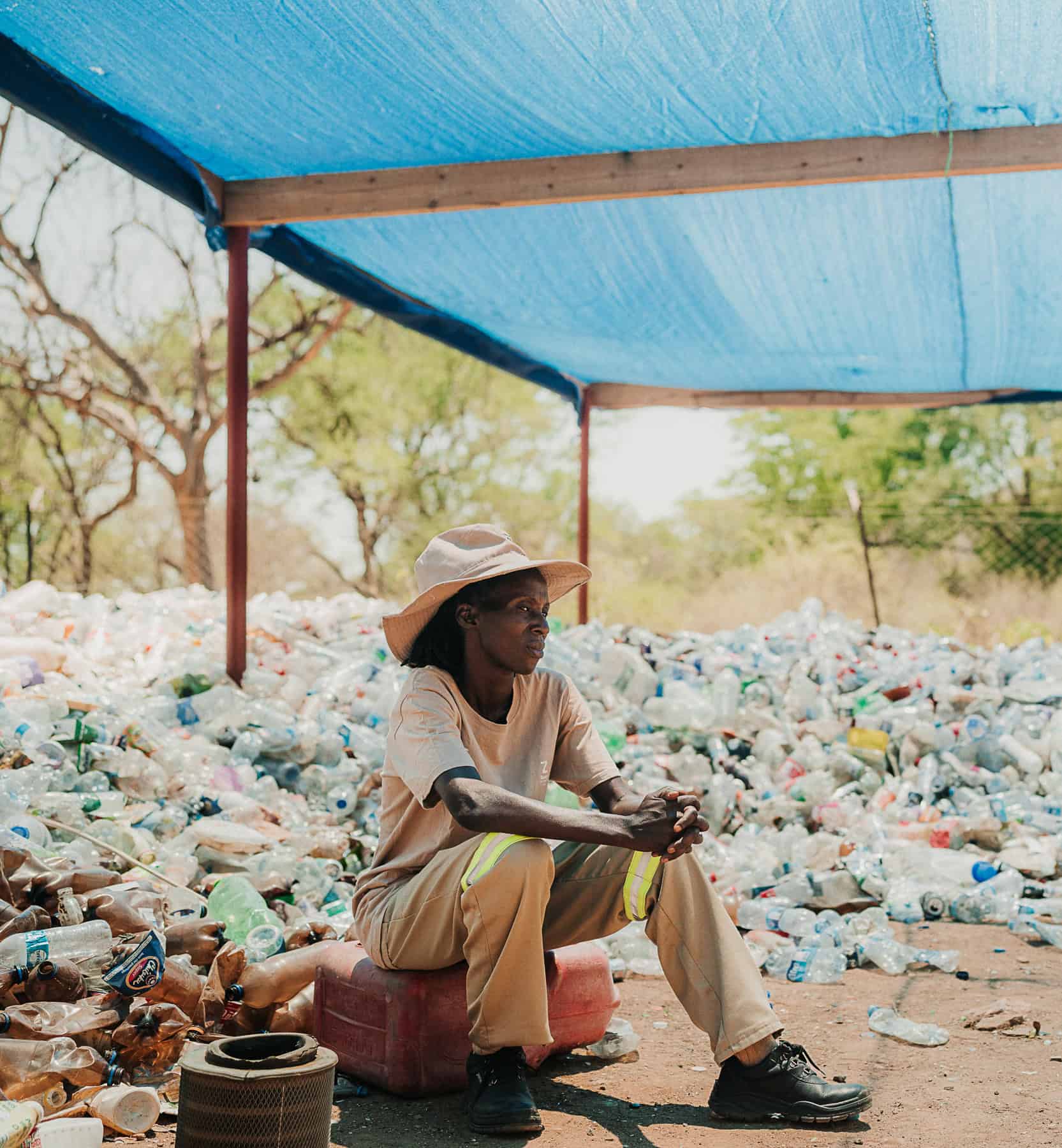
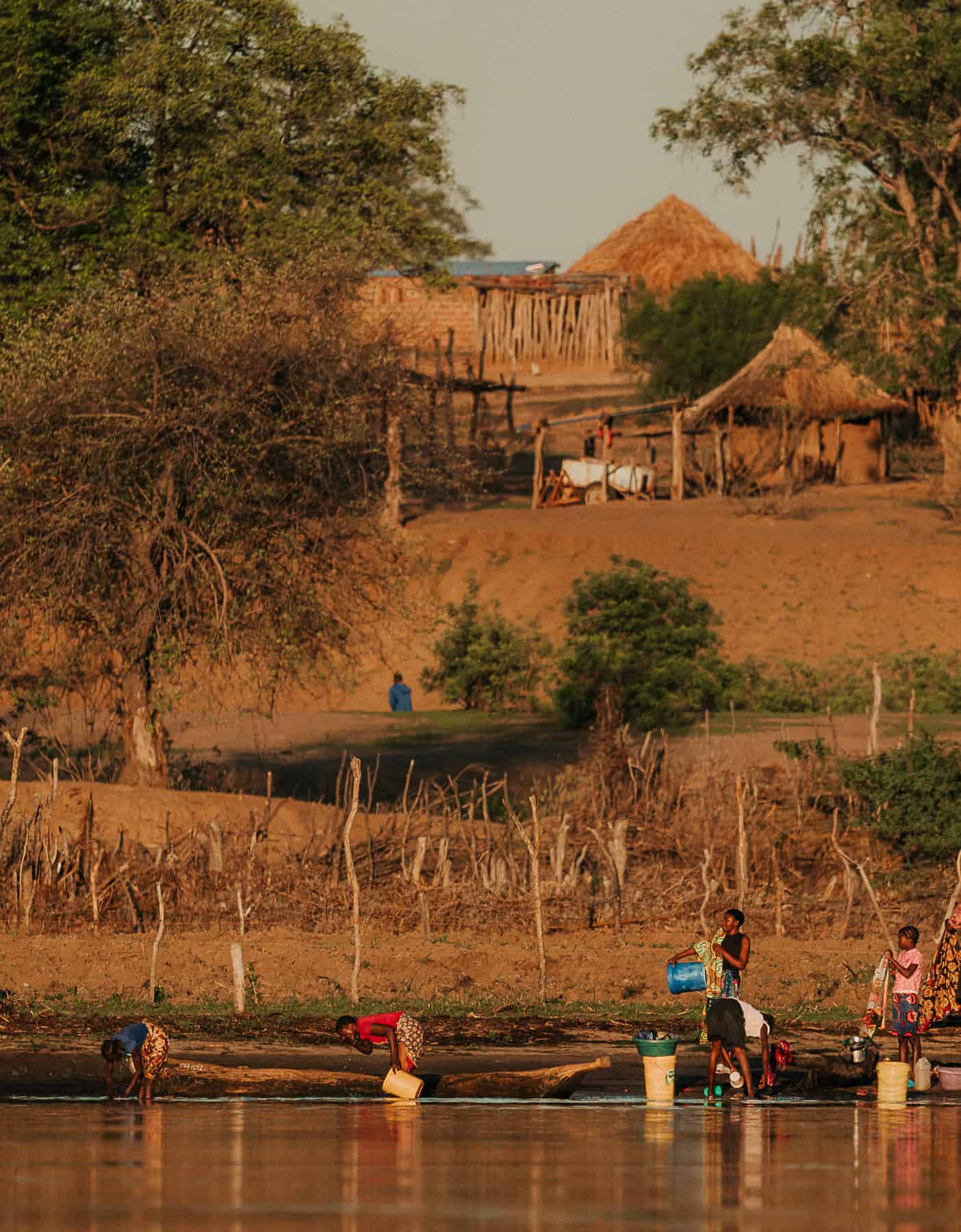
Chirundu is a typical, dusty border town on the edge of the Middle Zambezi Conservation Project Area. As we pull up to Maia Danelle’s house in the middle of town, she comes out with a big smile to greet us, pointing out all the chickens pecking and clucking in her front yard. A tour of her house reveals her entrepreneurial spirit; she shows us the large deep freeze in the living room, which allows her to sell ice-cold water to truckers passing through town, and the extra rooms she has built to rent out. Eager to share her story, she sits down in front of a wall of pots and pans to talk about her journey.
“Here in Zimbabwe, things are very hard, because people have no money, or a job to work to get money, so you can survive your life. This is why things are hard in Zimbabwe, and difficult to live here, but if you have money, you live happily with your family.”
It was just a few years prior that Maia left an abusive marriage, which sent her and her only daughter adrift to struggle without an income. She would sell the few vegetables she grew at the local market, which is where she met the founder of Marara Community Project, an MZCP initiative dedicated not only to helping struggling and marginalized women, but also to improving the situation for the local elephant population. Maia recounted the time a large bull elephant was hanging around the center of town, distressed and in obvious pain. He eventually died. When they cut the animal open, its enormous stomach was filled with glass, plastic and other trash. That year alone, a total of seven elephants suffered similarly agonizing, human-induced deaths.
The Marara Recycling Project was born to address the twin needs of local women and elephants. Now, on a weekly basis, the women clean up Chirundu town and collect tons of trash along the main highway that borders the unfenced conservation area, keeping it trash-free for the benefit of both people and wildlife.
C Camp is nestled within a narrow belt of riverine forest that hugs the banks of the Zambezi River. Two ZimParks rangers, assigned to protect the Middle Zambezi Conservation Project Area, walk out of the tree line to greet us as we approach. The rangers, members of the Zambezi Anti-Poaching Task Force, are stationed at this rudimentary bush camp on a seven-day deployment. Threats from elephant poaching are kept at bay with regular foot and boat patrols.
“It is not always about protecting the animals from the people, it is also about bringing the animals to the people, so that they can really understand what nature is and why we need to protect it,” Tichaona shares.
The Natural Capital model acknowledges the importance of educational awareness, especially among local youth from surrounding communities, prioritizing environmental education support to the same degree as resource teams like the Zambezi Anti-Poaching Task Force.
As we bid the ranger team at C Camp farewell, we climb onto the boat to head back upriver, encountering a family of waterbuck with a young calf, a large herd of elephants, countless fish eagles, hippo pods and the ubiquitous crocodiles along the way. As our aluminum boat slides over the mirror-calm surface of the Zambezi River, we race a blood-red setting sun to reach camp before nightfall — before the valley awakens to its second life, before the symphony begins, before the next idea to protect the world, which asks us loudly, is lit like a fire.
When my now four-year-old daughter joined me on assignment in Africa for the first time since she was bouncing around in my belly, I watched the world through her eyes — flowers and giraffes, mosquito nets and safari cars, riverbanks wild and alive. Here was another generation marveling, a reminder why these places deserve protection, that each moment is part of a whole picture that’s always unfolding: